
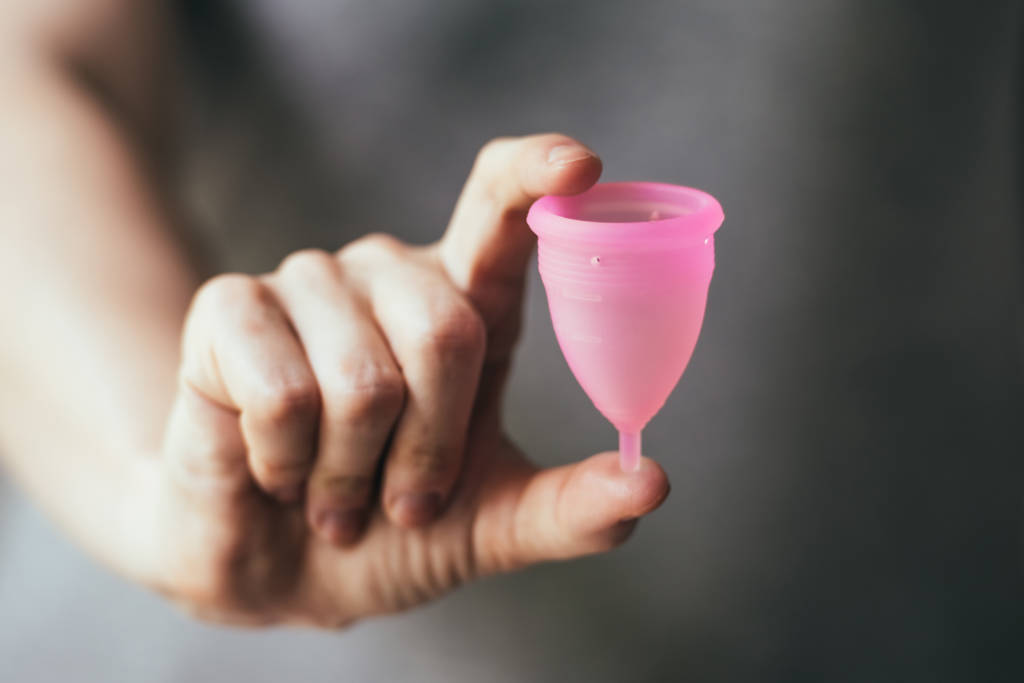
without risks. There are some cases of toxic shock syndrome. The menstrual cup should not be left in place for extended periods of time.”
Wu added that “it will take more research to delineate the safe length of time. Before we have that data, patients may want to treat it like a tampon and empty and replace it every six to eight hours.”
Certain types of women may also find fitting a menstrual cup a bit more complicated, Wu said.
“Patients who have had babies or who have some pelvic organ prolapse may need to be fitted for their menstrual cup in order to best prevent leakage,” she explained. And, “patients and doctors will also want to be more careful in IUD [intrauterine device] users. Due to risks of dislodging the IUD, there may need to be a system of checking the IUD strings.”
And despite the wealth of data, Phillips-Howard’s team stressed that the quality of the studies included in the new research was low. The investigators called for more and better quality research in this area. That would include data on the cost-effectiveness and environmental impact of different menstrual products.
More information
The U.S. Office on Women’s Health has more about menstruation.